A general rule of thumb
Most solid hardwood floors need refinishing every 7 to 10 years under normal foot traffic — sooner in busy hallways, entryways and kitchens, and later in rooms that see less use. That range isn’t a fixed schedule so much as a starting point: how a floor was finished, how it’s cleaned day to day, and how much traffic it takes all move the number in either direction.
Signs it’s due sooner than that
A few checks can tell you a lot before you call anyone out:
- Water no longer beads on the surface. Drip a few drops of water on the floor. If it soaks in within a couple of minutes instead of sitting on top, the protective finish is gone.
- Scratches go past the finish into the wood. Light surface scuffs buff out. Scratches that catch a fingernail or show pale, unfinished wood underneath won’t.
- The color has gone gray or dull in high-traffic areas. Hallways, entryways, and the path from the kitchen to the back door wear first.
- Boards are cupping, gapping, or visibly uneven. This can point to moisture problems underneath the finish, not just surface wear.
Refinishing vs. replacing
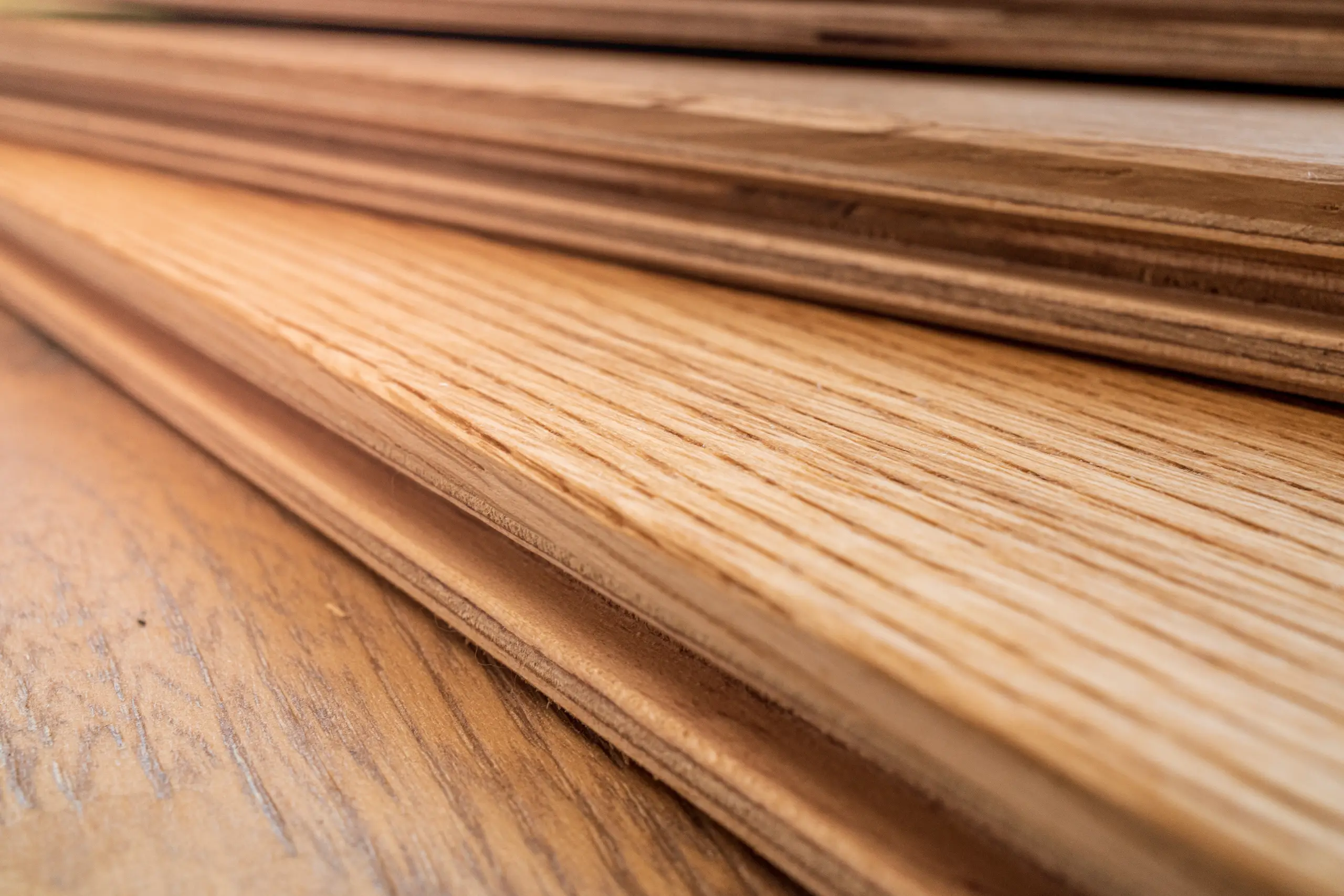
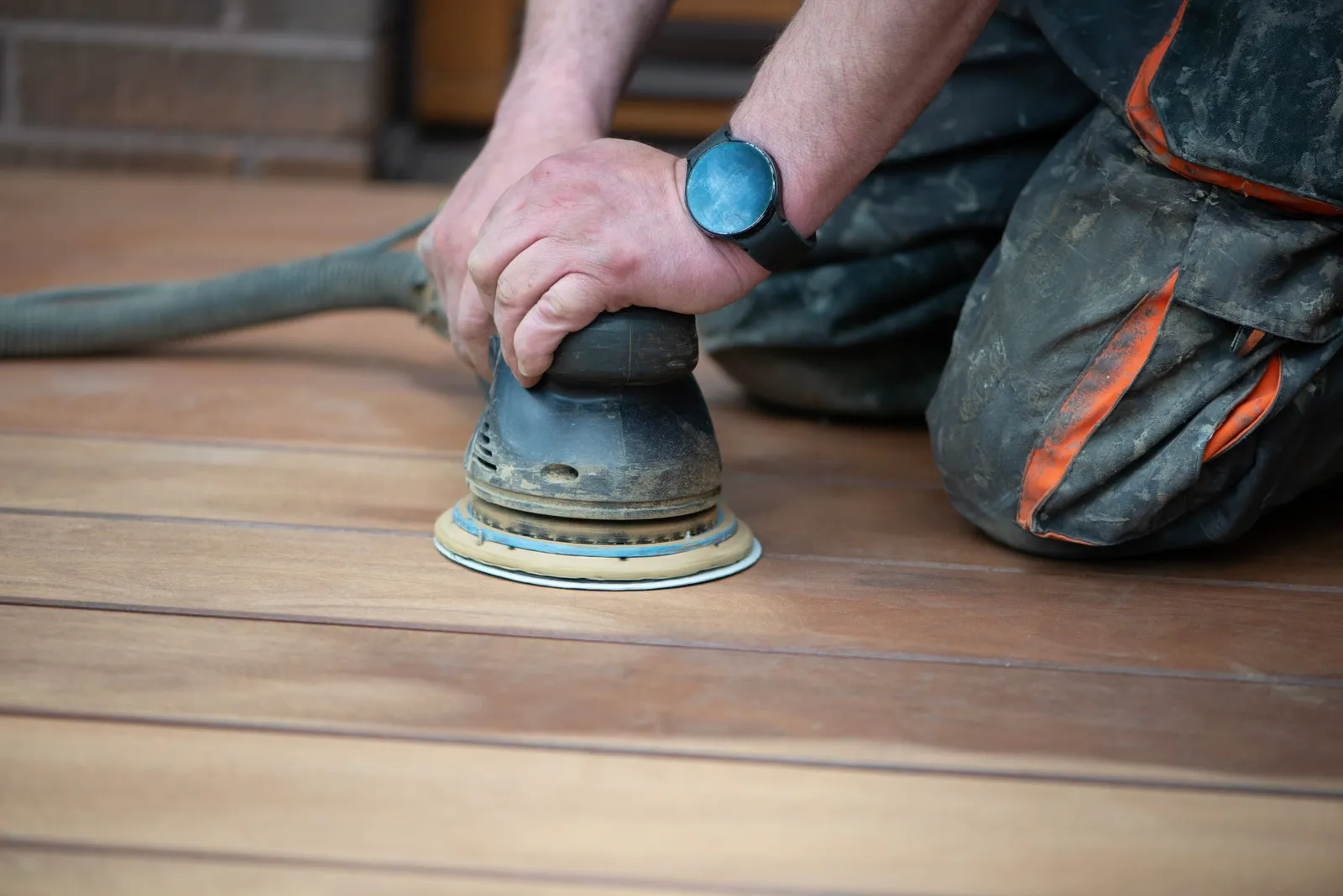
Solid hardwood can typically be sanded and refinished multiple times over its life, which is one of the reasons it holds its value better than most flooring materials. Engineered hardwood has a thinner wear layer, so how many times it can be refinished depends on the product — worth checking before assuming a floor can be sanded down again. Either way, refinishing existing hardwood is almost always less disruptive and less expensive than tearing it out and replacing it.
What to do next
If your floors are showing any of the signs above — or it’s simply been a while — it’s worth having them looked at before the wear gets any further into the wood. You can see examples of refinished floors on our refinishing and repair page, or schedule a consultation for your own space.
If you’re ready to go ahead, what to expect during the refinishing process walks through it day by day. Damage from a leak or a burst pipe is a different question again. And once a floor is freshly finished, looking after it properly is what buys you the years before the next sand.