
Wood N Kraft – Refinishing & Repair in West Michigan
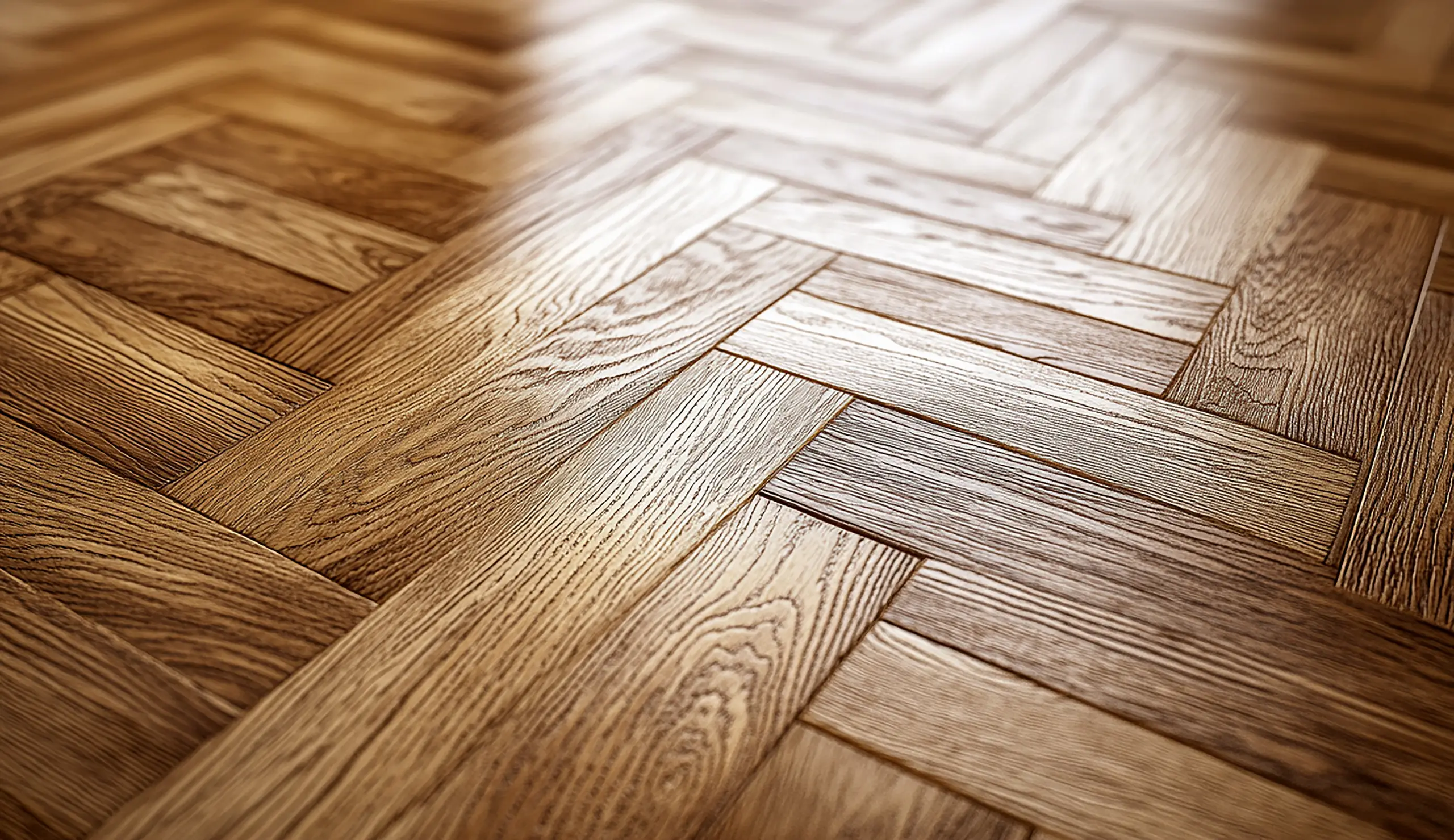
Refinishing & Repair in West Michigan: a polished oak herringbone parquet floor catching the light.

Hardwood Floor Care & Maintenance

Simple daily habits and seasonal care tips to help your hardwood floors last.

Daily and Weekly Care
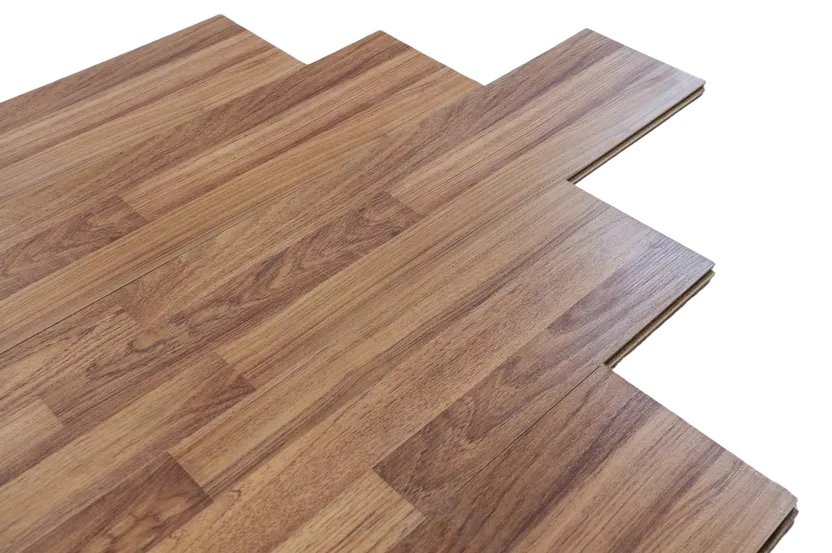
Most of what keeps a hardwood floor looking good happens in the small, regular habits rather than any special product. Sweep or vacuum with a hard-floor setting to keep grit from scratching the finish, and skip wet mopping — standing water is one of the most common causes of damage to hardwood, and the reason water damage restoration is such regular work for us.

  1. Sweep or dust-mop a few times a week to clear grit before it scratches

  2. Wipe up spills right away instead of letting them sit

  3. Use durable mats at every entrance to catch dirt and moisture
When to Call a Professional

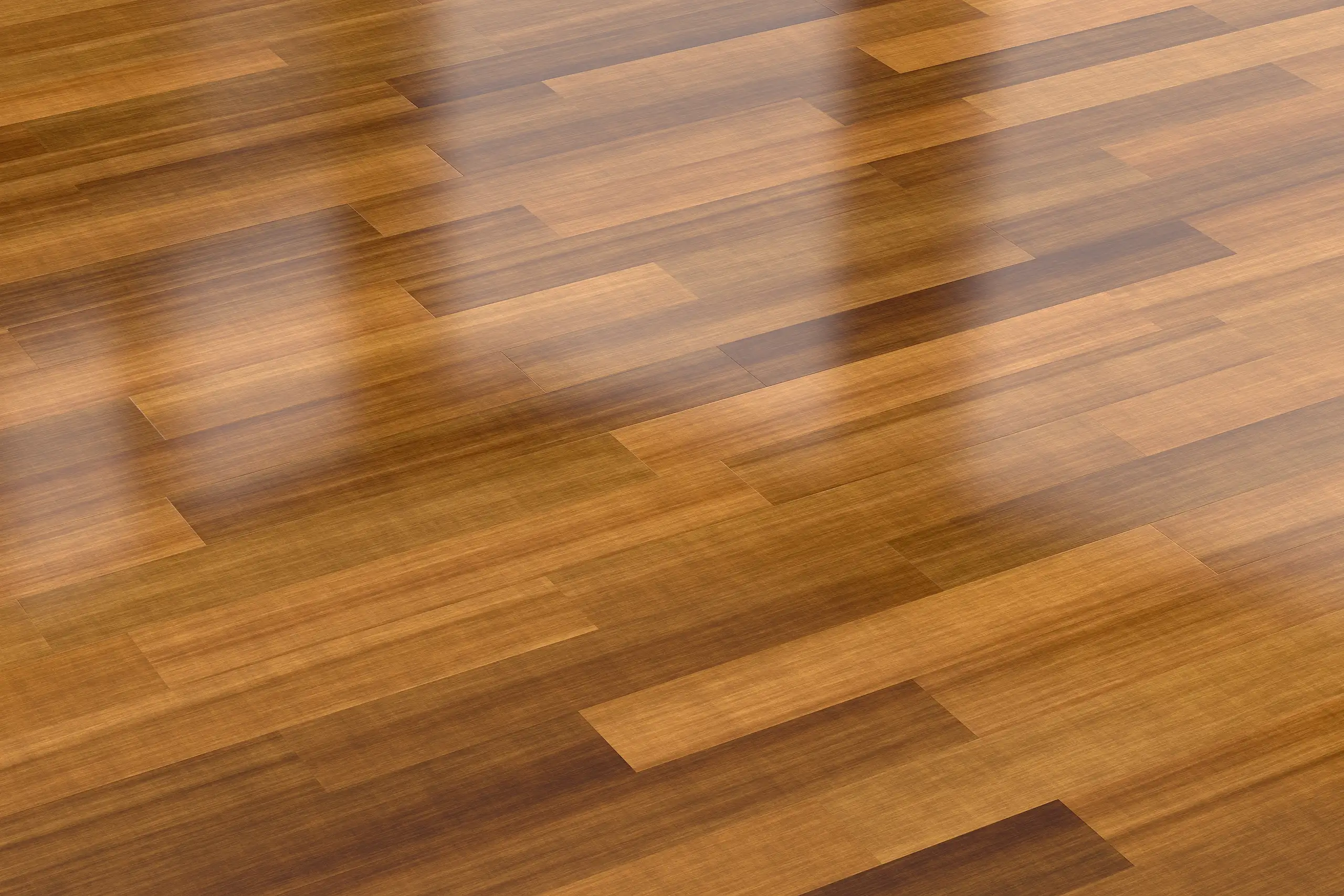
Routine care goes a long way, but it can't fix a finish that's worn through, deep scratches, or boards that are cupping or gapping. See our guide to spotting the signs a floor needs refinishing rather than a simple cleaning.

  1. Water no longer beads on the surface

    Drip a few drops of water on the floor. If it soaks in within a couple of minutes instead of sitting on top, the protective finish is gone.

  2. Scratches go past the finish into the wood

    Light surface scuffs buff out. Scratches that catch a fingernail or show pale, unfinished wood underneath won't.

  3. The color has gone gray or dull in high-traffic areas

    Hallways, entryways, and the path from the kitchen to the back door wear first.

  4. Boards are cupping, gapping, or visibly uneven

    This can point to moisture issues underneath the finish, not just surface wear.

Protecting the Finish

Felt pads under furniture legs prevent scuffs and gouges as chairs and tables shift over time. Direct sunlight can fade a finish unevenly, so curtains or blinds help during the brightest parts of the day, and keeping indoor humidity in a normal range year-round helps prevent the gaps and cupping that come from wood expanding and contracting.

Kept up, this is the difference between a recoat and a full sand and refinish. If the finish has already gone, our guide to how often floors need refinishing covers the signs, and water-damaged floors are a separate question again.
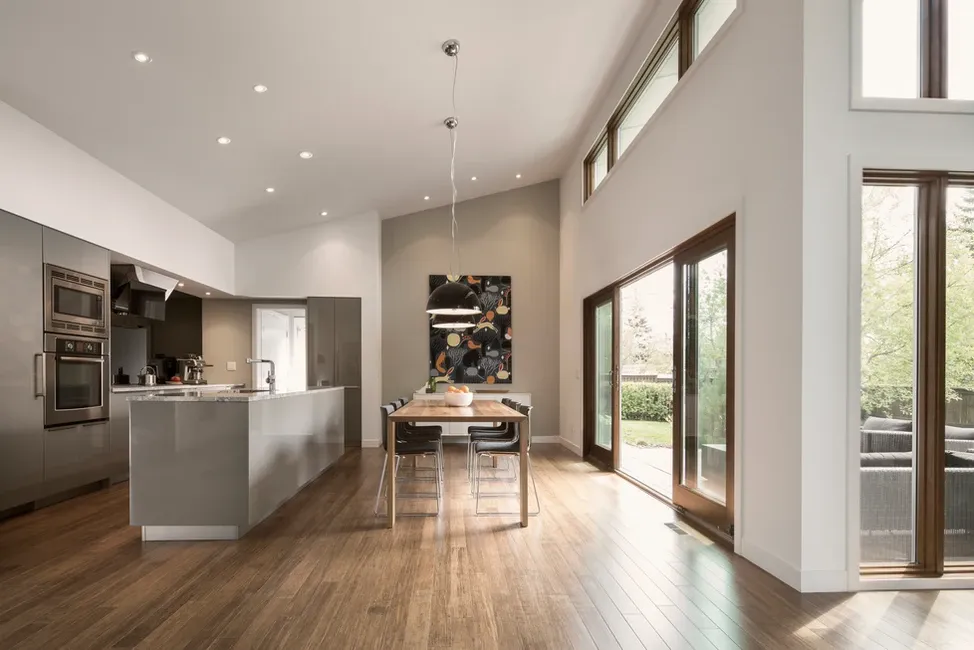
Refinishing & Repair in West Michigan: a dining room with a well-maintained hardwood floor under natural light.

Frequently Asked Questions

How often should hardwood floors be refinished?

Most solid hardwood floors need refinishing every 7 to 10 years under normal foot traffic — sooner in busy hallways, entryways and kitchens, and later in rooms that see less use.

Can a hardwood floor be refinished more than once?

Solid hardwood can typically be sanded and refinished multiple times over its life, which is one of the reasons it holds its value better than most flooring materials. Engineered hardwood has a thinner wear layer, so how many times it can be refinished depends on the product.

What should I use to clean my hardwood floors?

The single rule that matters: the cleaner has to match the finish. A floor finished in hard wax oil or a natural penetrating oil wants a soap made for oiled floors, and using a polyurethane cleaner on it will strip the oil over time. A surface-finished floor wants a pH-neutral hardwood cleaner made for polyurethane. Whichever you have, keep water off it — never wet-mop, and never use a steam mop, which drives heat and moisture into the seams and can lift a finish or cup the boards. Skip oil soaps, wax and anything labelled as a polish too: they leave a residue that stops a future recoat from bonding, which turns a cheap refresh into a full sand. Dry-dust or vacuum with a hard-floor head, and damp-mop lightly. If the finish has already gone, that is a refinishing job rather than a cleaning one.

What indoor humidity is best for hardwood floors?
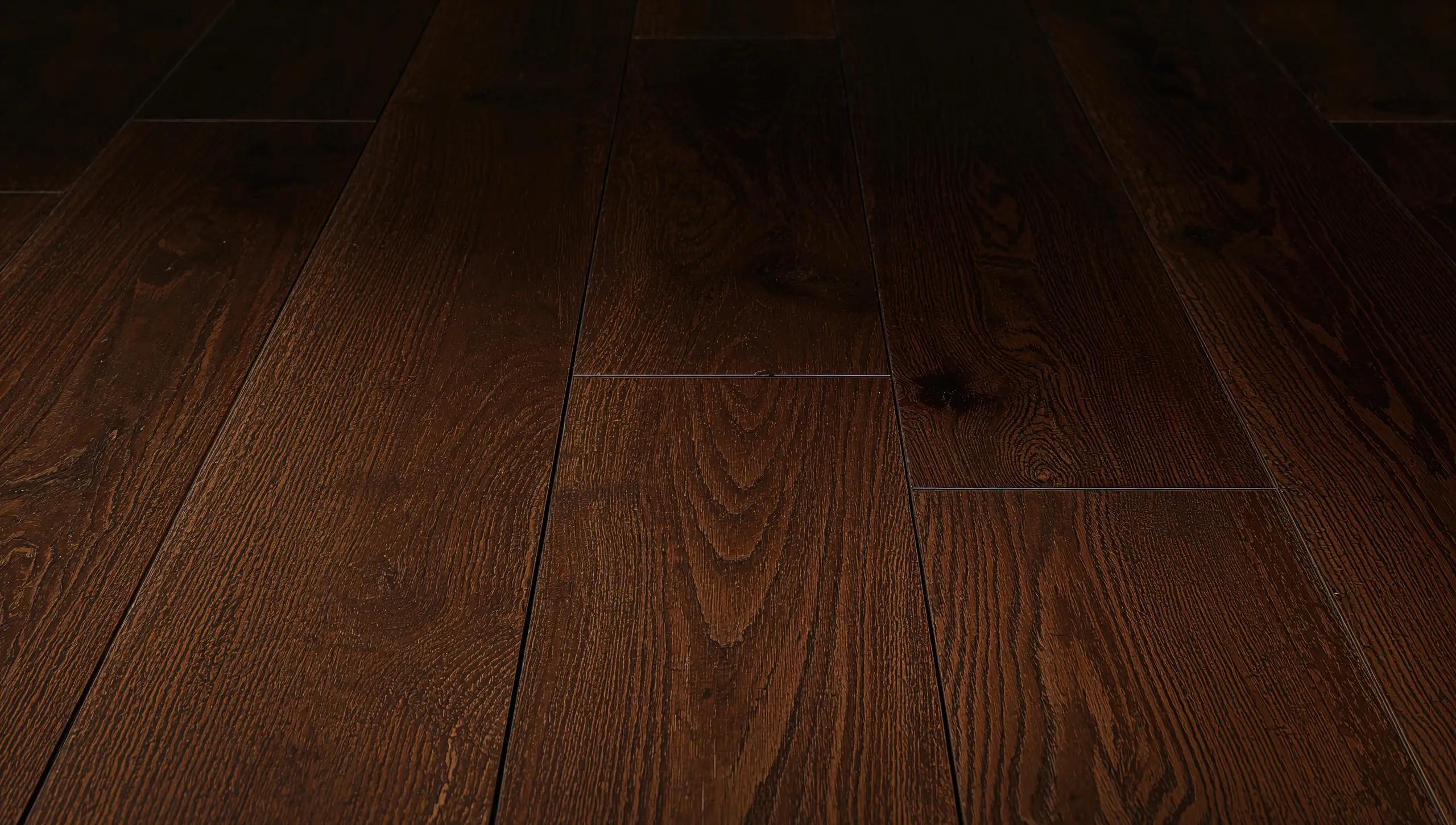
Aim for 30 to 50 percent relative humidity, which is the range the National Wood Flooring Association publishes and roughly what most homes sit at anyway when they are comfortable for people. Wood moves with the moisture in the air: too dry through a Michigan winter and you get gaps opening between boards, too humid through summer and the boards press together and can cup. Neither is damage in itself, and seasonal movement is normal — a humidifier in winter and air conditioning or a dehumidifier in summer is usually all it takes to keep it within range. Sustained moisture is a different problem — see water damage restoration.

Noticing Wear on Your Floors?

Get in touch for a professional evaluation.